The Data & Evaluation Layer for Physical AI
Capture synchronized robot data. Find failures. Benchmark policies. Generate the data that fixes them.
The loop every robot fleet runs — VisionLibra is the layer that runs it.
Need Data You Don't Have Yet?
VisionLibra can help design and execute custom Physical AI data collection programs.
Supported collection
Modalities
Wear it. Work normally.
Capture everything.
Real footage from a customer's electronics assembly line: operators wearing VisionLibra head-mounted capture rigs record first-person video and hardware-synced sensor data of every pick, placement and inspection — hands-free, while doing their actual jobs. No studio. No re-staging. Production-grade egocentric training data, straight from the line.
- Head-worn and hands-free — Wego2 (binocular, $900), Wego4 (270° surround, $1,500), Wego6 (6-camera SLAM headset, $2,900) and Wego P2 (stereo headband, from $1,390)
- Video, depth and IMU on one hardware clock — ready for imitation learning and VLA training
- On-rig quality control catches bad takes before they leave the site
One stack, from capture to deployment
Most vendors sell you a camera and stop. VisionLibra covers the whole loop — rigs that capture synchronized data, services that label and score it, an SDK and models that run on the edge, and a fleet that keeps feeding the next training round.
Hardware that feeds the loop
The loop starts with data you can trust: head-worn egocentric rigs and on-vehicle compute that capture synchronized video, depth, IMU and robot state — every stream on one hardware clock, ready for evaluation and training.
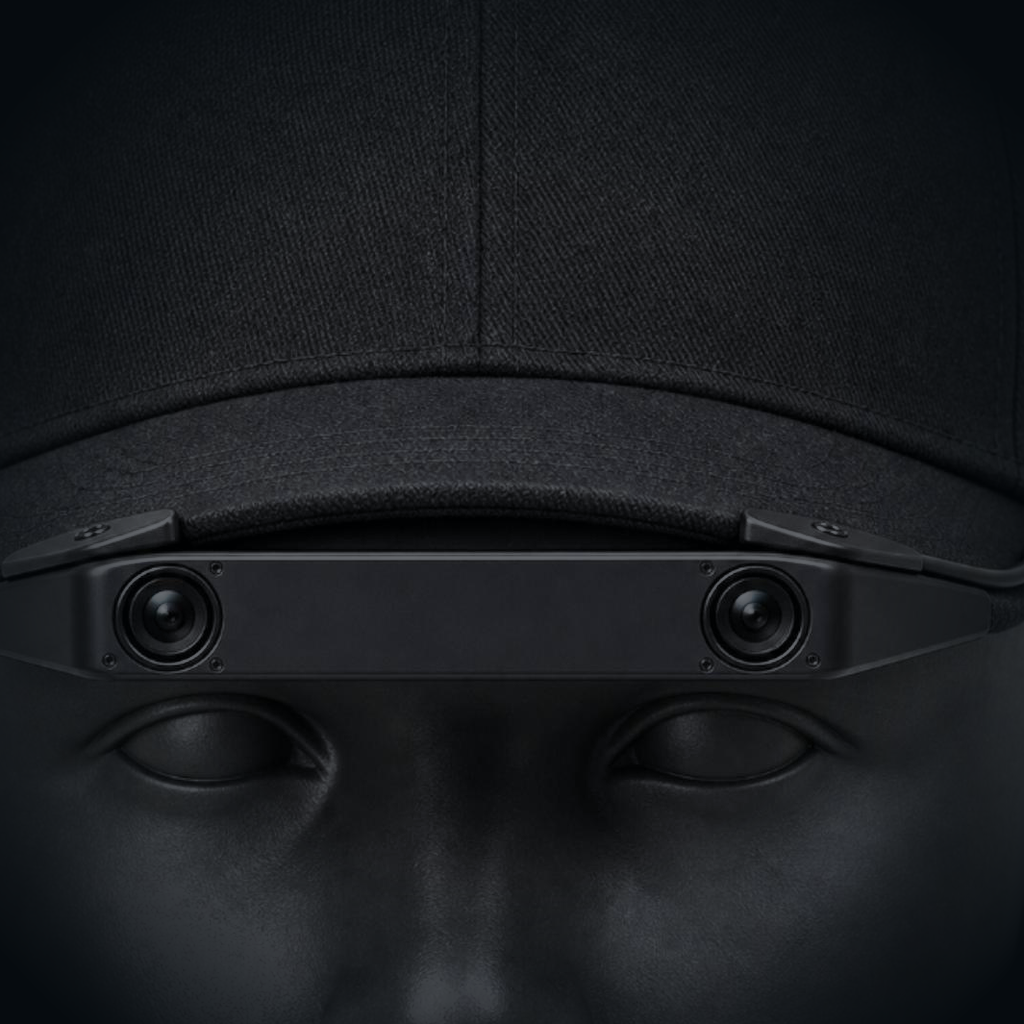
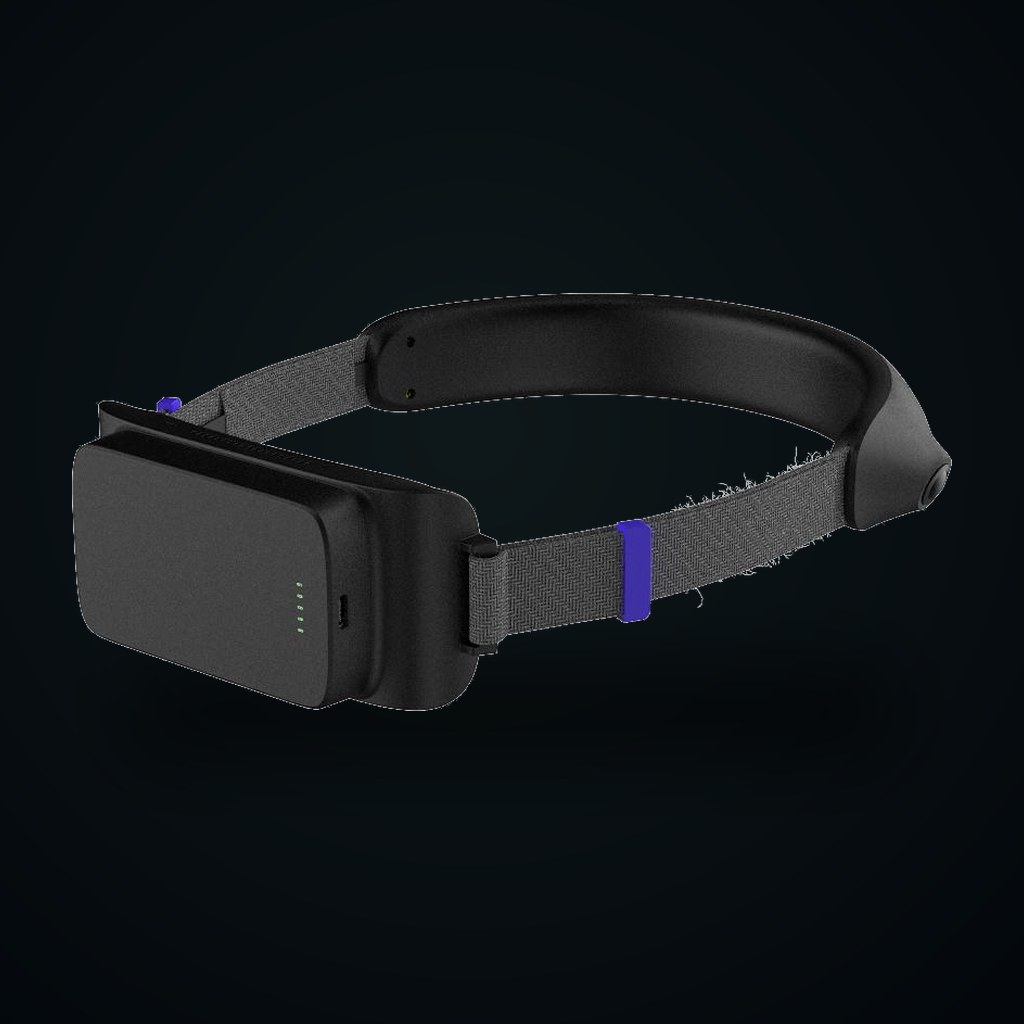
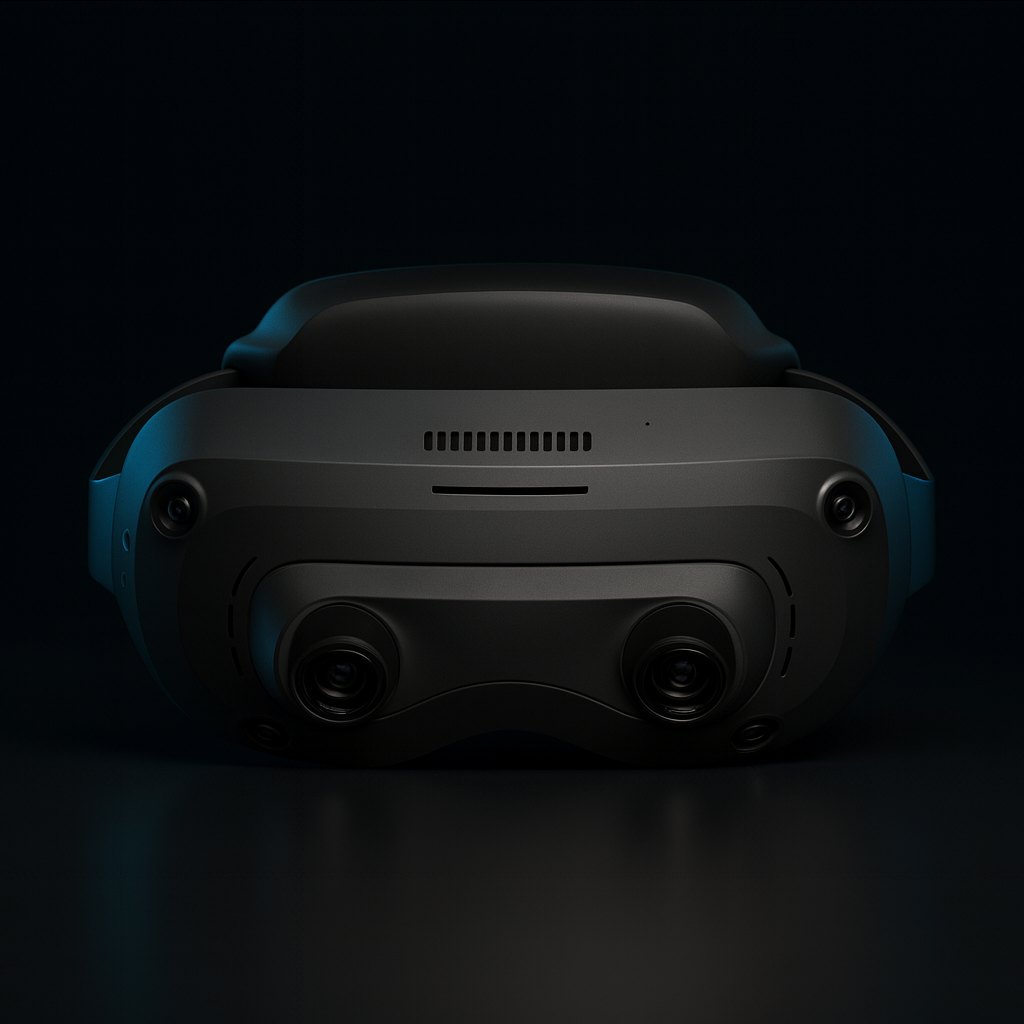
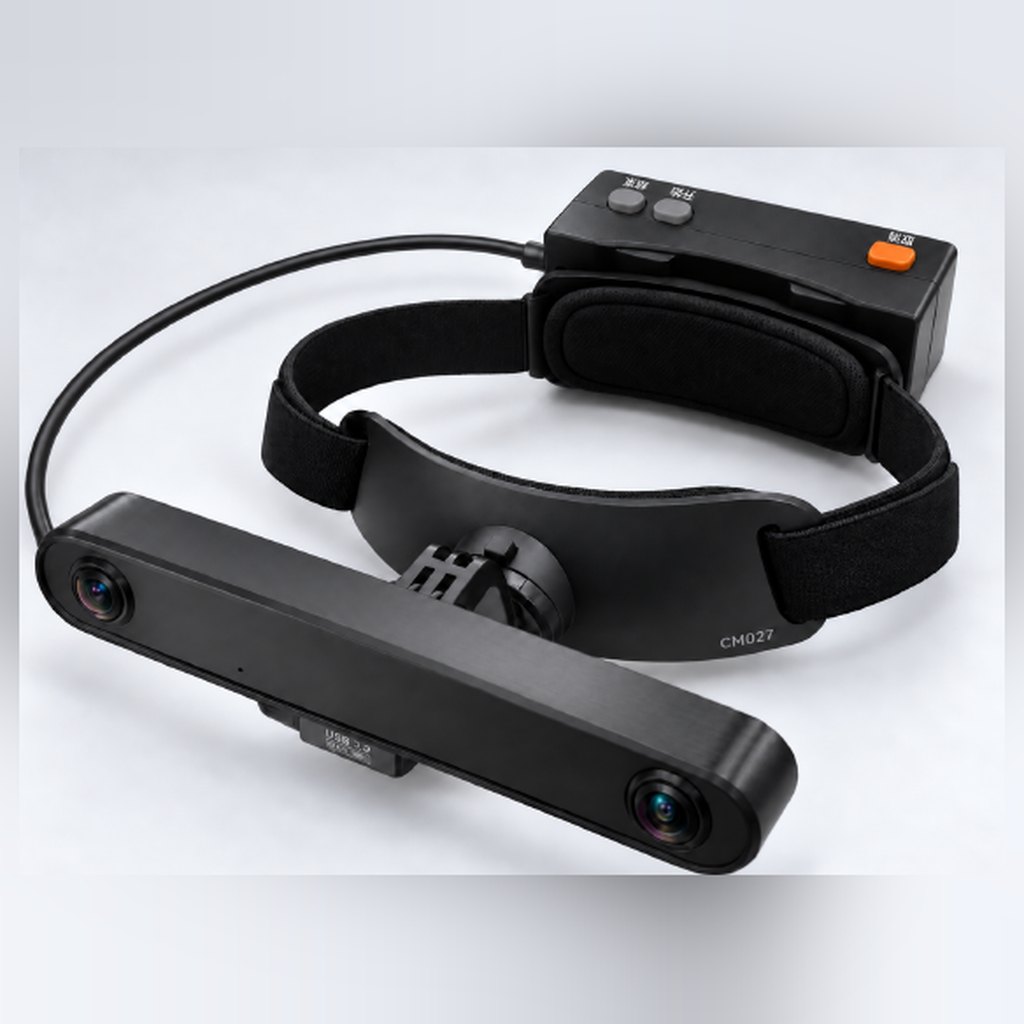
Wego P2 · TF Edition
Two synced 1080p global-shutter cameras with a 180° view on a light headband, recording to a 32 GB card — about 7 hours per charge.
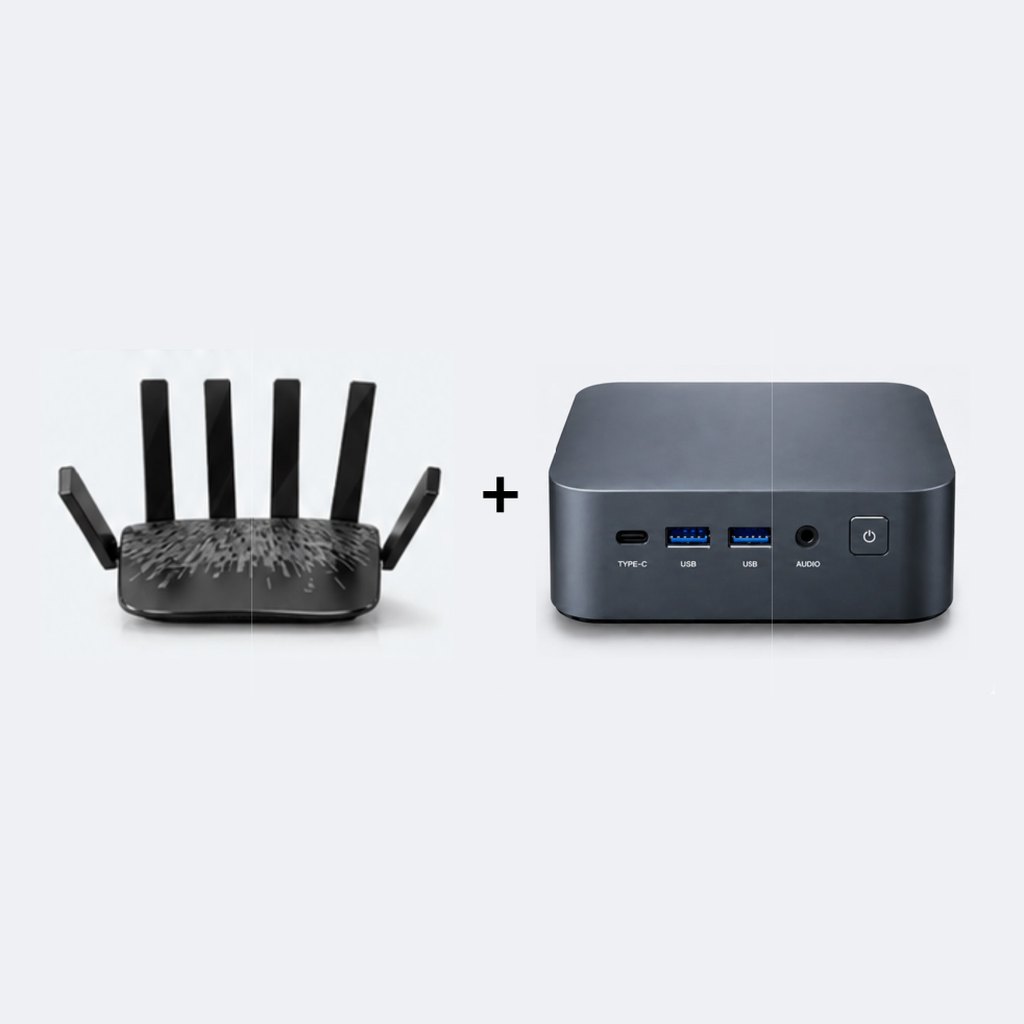
Wego P2 · Wi-Fi Kit
The P2 headband plus an EGO Server and pre-configured router: every take uploads by itself and is browsable from any web browser.
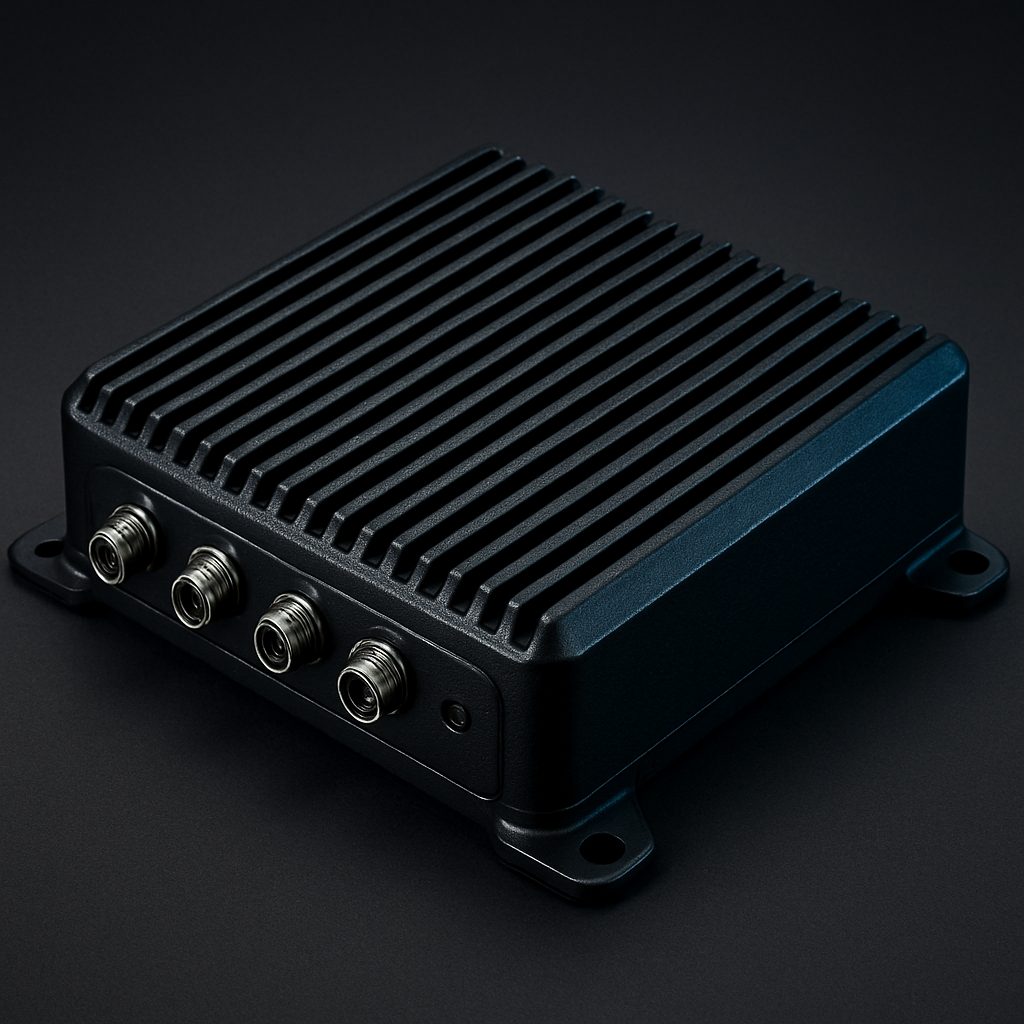
RobooPi P53
NVIDIA Orin Nano 8 GB with four Fakra GMSL2 camera inputs and hardware frame sync — built to ride on the machine.
ToF modules to build sensing into your own product
The same depth stack at component scale — for teams putting perception inside a device rather than collecting a dataset. Every module runs the same SpatialAI SDK as the capture rigs.

Spatial Mini
A 4.4 × 2.4 mm distance sensor with 5 m range — presence and gesture intelligence for any product.

Spatial Home
An all-in-one 3D ToF solution — up to 100 × 100 depth with on-module processing, made for IoT and smart home.

Spatial Vision
A compact 3D depth camera that sees people, hands, and spaces — built for interaction at human scale.
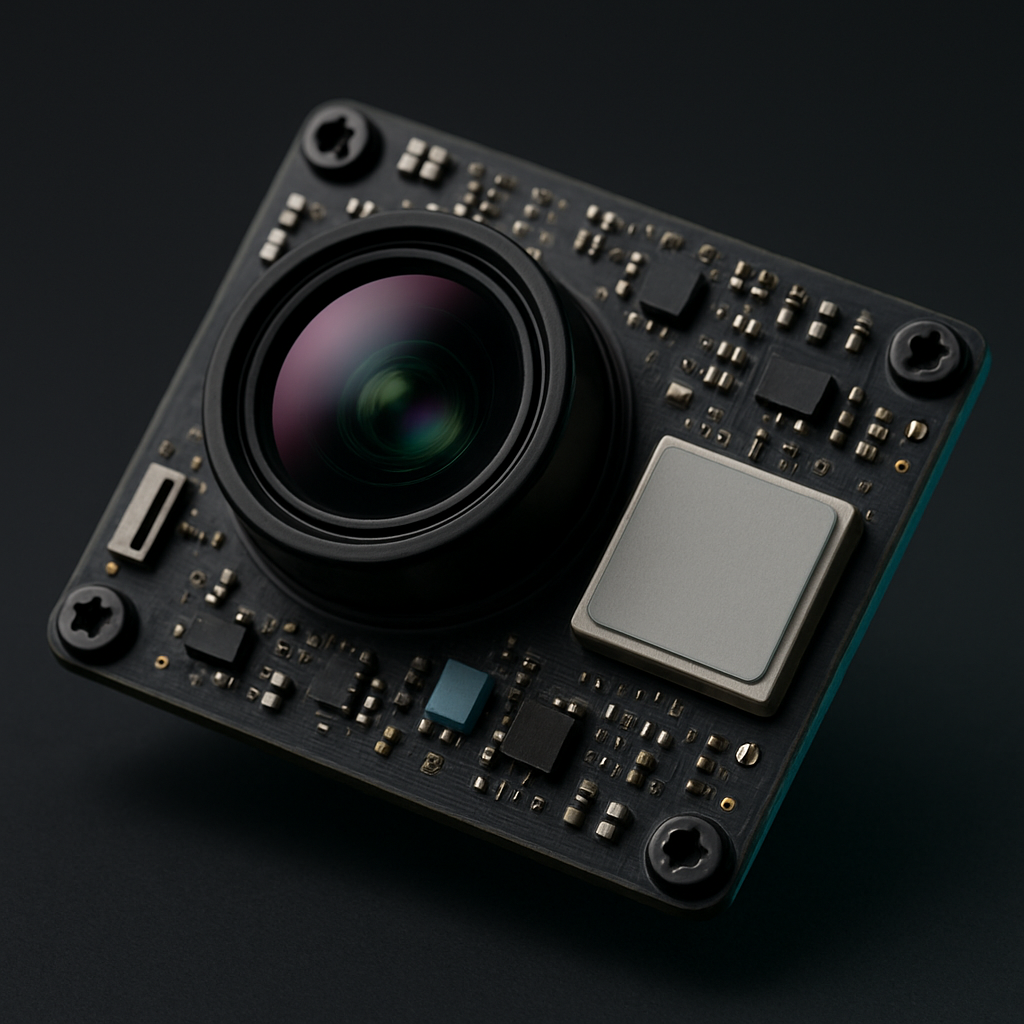
Spatial Robot
Miniature 8 m SPAD LiDAR array for machines that move — sunlight-tolerant depth for AMRs and drones.
Turn every deployment into better training data
Annotation, robot trajectories, failure mining, and evaluation for robotics teams — delivered by humans and AI. Works with VisionLibra hardware or your own cameras, LiDAR, ROS bags, and robot logs.
Value in five lines of Python
Plug in a camera, pip install spatialai, and you're detecting people before your coffee cools. Python, C++, and ROS 2 — with on-device inference, no cloud round-trips.
# Install the SDK
$ pip install spatialai

# Five lines to spatial intelligence
from spatialai import Camera

cam = Camera()
result = cam.detect_people()
print(result)
# → {'people': 3, 'nearest_m': 1.42, 'positions': [...]}
It's a platform. Not a camera.
100 cameras, online status, staged OTA rollouts, live logs, and zone heatmaps — one pane of glass for your entire deployment.
Zone Heatmap — Aisle Activity
Live Logs
They do AI.
We do AI Agents.
Detection is table stakes. VisionLibra agents close the loop — from a depth frame to a Slack alert, a database record, and an incident report. Automatically.
Forklift enters zone B3
Spatial Robot's sunlight-tolerant dToF tracks it, outdoors or in.
Worker detected in path
On-device model flags a person within the danger radius.
Agent evaluates the event
Context, zone rules, and severity — decided at the edge.
Slack notification fires
#warehouse-safety pinged in under a second.
Event logged to your database
Structured, queryable, audit-ready.
Incident report auto-generated
Written, filed, and linked to the video segment.
Dashboard updated
Heatmaps and safety KPIs reflect it instantly.
from spatialai import Camera, Agent

cam = Camera("spatial-robot-01")
agent = Agent(model="forklift-safety")

@agent.on("person_near_forklift")
def handle(event):
    agent.notify.slack("#warehouse-safety", event.summary())
    agent.db.log(event)                  # structured record
    agent.report.incident(event)         # auto-generated report

agent.run(cam)
Agents connect to your stack
From camera to cloud — one pipeline
Simple pricing, serious leverage
Buy the camera once. Grow into the SDK, models, and enterprise platform as you scale.
Own the sensor. From a coin-sized 1D ToF to an 8 m robotics LiDAR module.
- 4 depth products, one SDK
- Free community SDK tier
- Volume & OEM pricing
The full SpatialAI toolchain for commercial products.
- Python API (C++ & ROS 2 on roadmap)
- On-device inference runtime
- OTA updates & fleet tools
- Commercial license
Production models from the marketplace, deployed in one line.
- People, gesture, safety, SLAM
- Optimized per device
- Continuous accuracy updates
The full platform: fleet dashboard, agents, and priority support.
- Fleet dashboard & OTA at scale
- Agent platform + integrations
- ERP / Slack / webhook connectors
- SLA & dedicated engineer
Model-ready Physical AI datasets.
- 2D / 3D annotation
- RGB-D & point cloud
- Robot trajectory labels
- Failure intelligence
- Evaluation datasets
- Custom collection
Start building Physical AI today
Start with a small data pilot, or order capture hardware and run your own collection.