Design & engineering
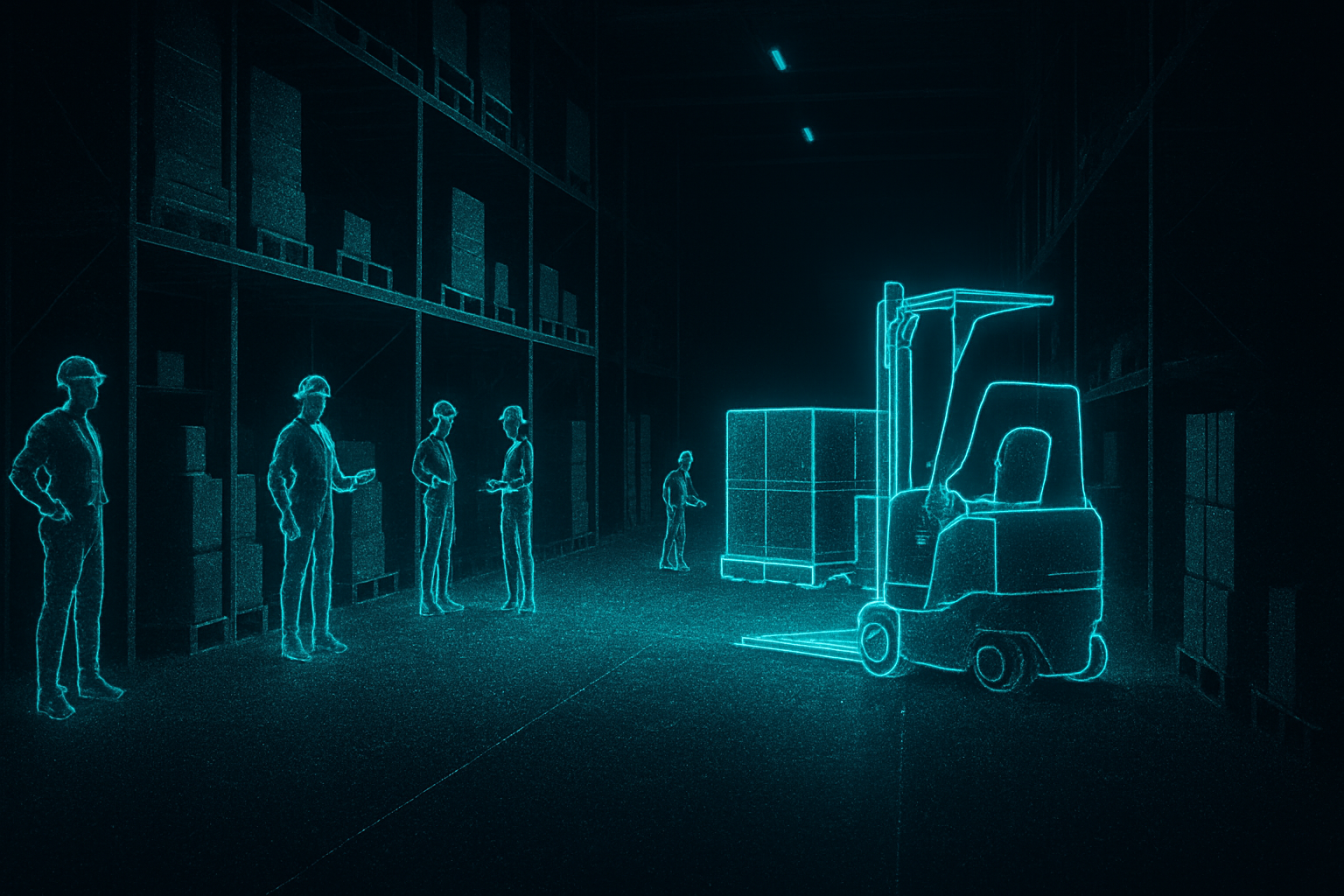
Product design, engineering, the SpatialAI SDK and our AI models all come out of our Jersey City headquarters — minutes from Manhattan, close to the robotics and AI teams we build for.
VisionLibra is the spatial AI brand of Aurora AI Ventures LLC — built on a simple conviction: Physical AI starts with spatial intelligence, and spatial intelligence should be as easy to build with as a Python import.
Depth sensing has been around for years — locked inside datasheets, vendor tools, and weeks of integration work. We started VisionLibra because we believe the hard part shouldn't be the plumbing. A camera that understands space should be five lines of code away from a working application, and a fleet of them should feel like one system, not a hundred devices.
So we build the whole stack: ToF sensors and cameras, the open SpatialAI SDK, depth-native AI models, and the agents that turn what a camera sees into what a business does — a Slack alert, a database record, an incident report.
They do AI. We do AI agents.
Founder
MS in Computer Science from the University of Pennsylvania and MS in Statistics from Rice University.
CTO
Ten years as a software engineer at Google. MS in Computer Science from The Ohio State University and BS in Computer Science from Shanghai Jiao Tong University.
Head of Hardware
20 years in the optical hardware industry. Previously ran an optical hardware factory in Argentina as plant manager, and developed optical components at a company in NVIDIA's supply chain.
Two locations, one supply chain — engineering where our customers are, production where the world's best electronics manufacturing lives.

Product design, engineering, the SpatialAI SDK and our AI models all come out of our Jersey City headquarters — minutes from Manhattan, close to the robotics and AI teams we build for.
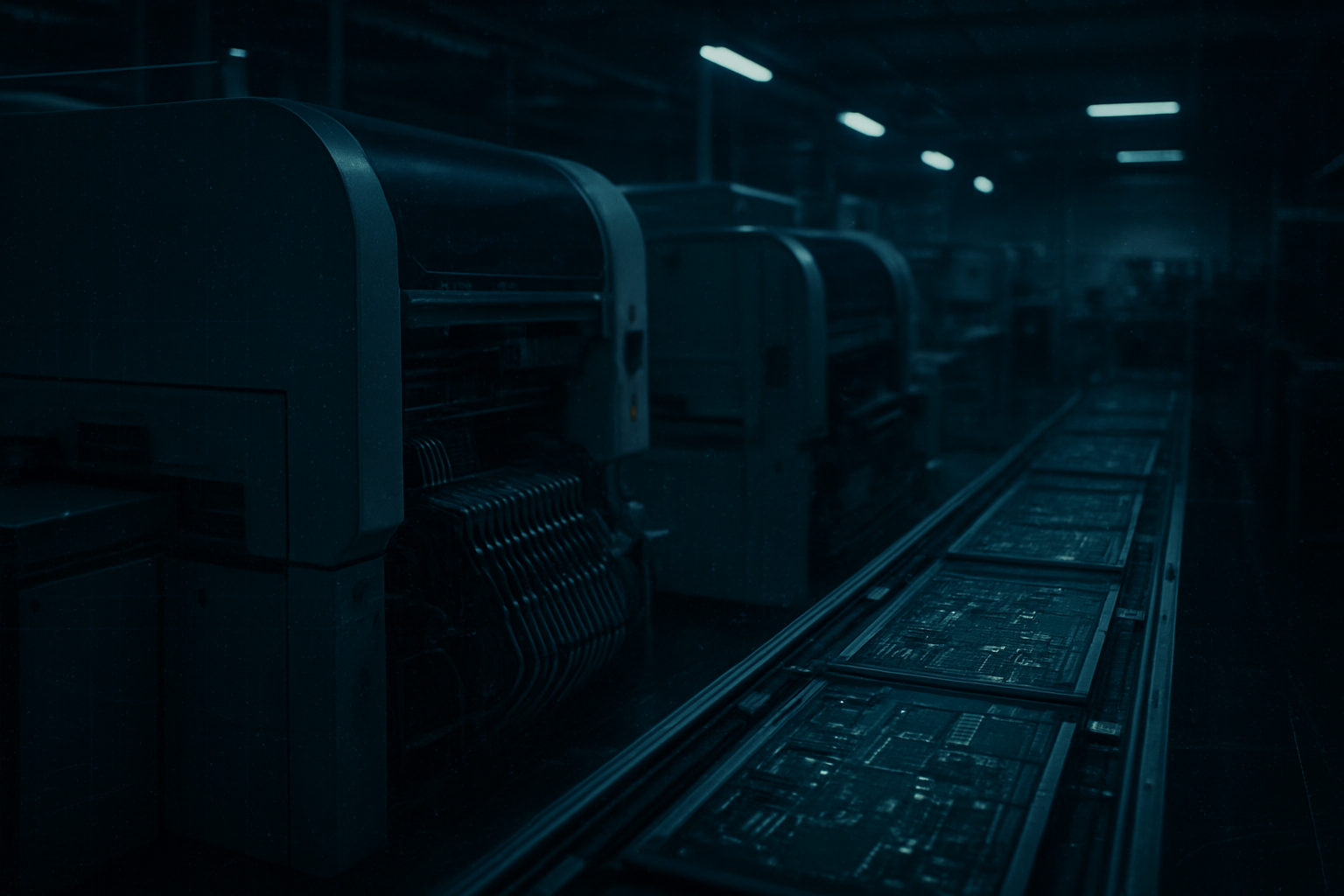
Our products are manufactured in Shenzhen — the densest electronics manufacturing ecosystem on earth — with the partners behind our DOMI-based ToF lineup, and orders ship from there to customers worldwide. That's how a $9 sensor and a $99 LiDAR module ship with industrial-grade consistency.
pip install, five-line quickstarts, a free simulator, and honest docs. If a developer can't get value in ten minutes, we've failed.
Depth maps aren't photographs. We build people-analytics that never capture an identifiable face — privacy guaranteed by the sensor, not by a policy.
Our changelog and status badges say exactly what ships today and what's still in development. No vaporware, ever.
Hardware, runtime, models, agents — one team, one roadmap. When every layer is ours, integration problems become our problems, not yours.
Detection is a demo. Closing the loop — notify, log, report, act — is a product. We measure ourselves on actions taken, not objects detected.
From a smart-lock hobbyist to a 100-camera warehouse fleet, the same SDK scales. Our customers' second product is our favorite metric.
Whether you're prototyping with one sensor or planning a fleet, we'd love to hear what you're building.